
Wildfire Mitigation & Preparedness: How to Protect Your Home and Family
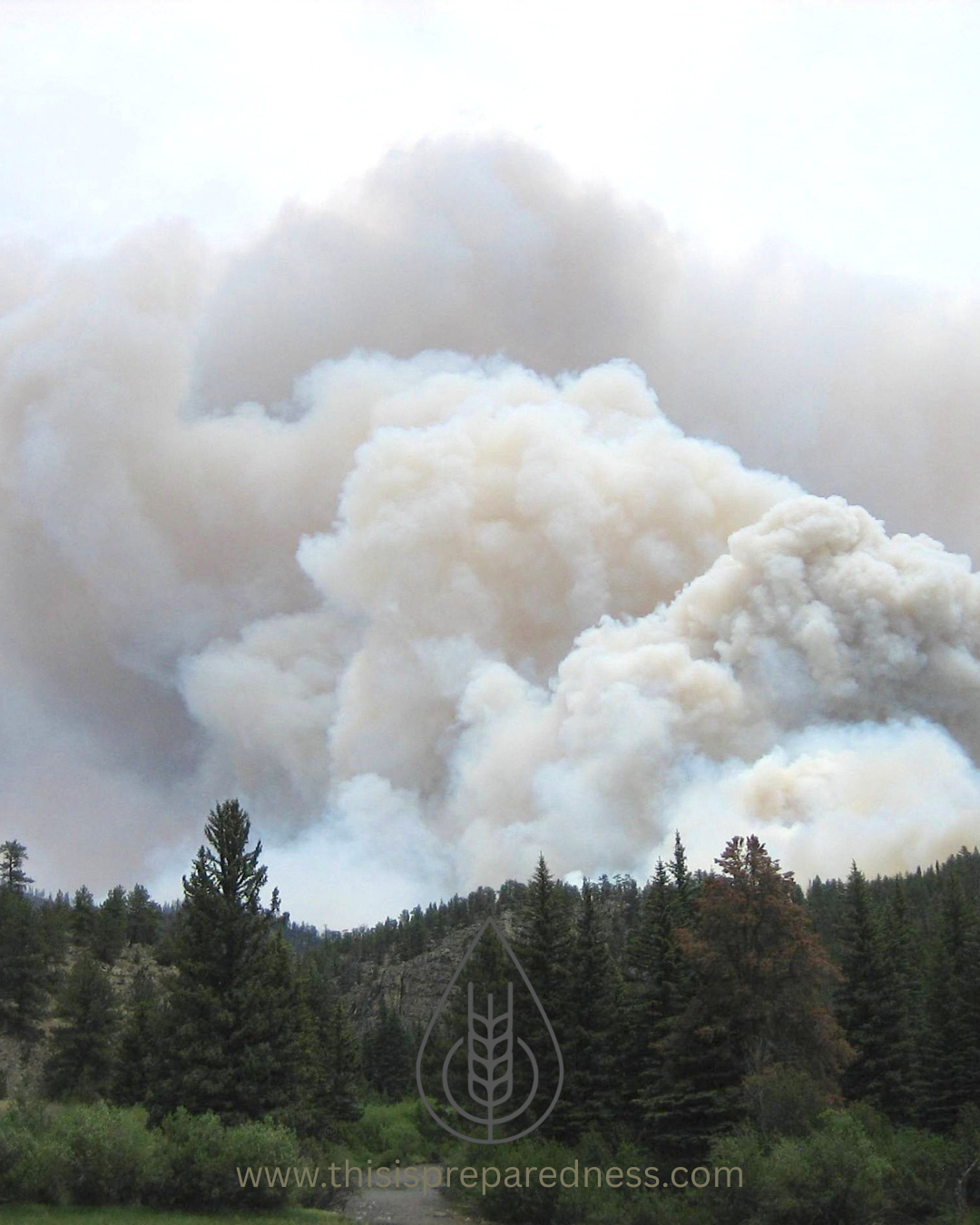
Wildfires aren’t just a “Western states” problem anymore—they’re becoming a growing threat in more areas each year, especially as drought conditions intensify. The good news? There is a lot within your control. The difference between loss and protection often comes down to the steps you take before a fire ever starts.
Why This Matters More Than Ever
Nearly 90% of the U.S. is facing extreme to critical drought conditions.
Whether it’s natural cycles or poor management of our resources, the impact is already unfolding—damage to homes and property, and the destruction of vital farmland and livestock. And it doesn’t stop there. As farmland burns, so does a portion of our food supply… leading to food scarcity and rising prices in the months ahead.
It’s easy to feel overwhelmed reading that.
But this is not the time to panic.
This is the time to prepare and protect.
The good news? There is a lot you can do right now to be a better steward of your home, your resources, and your family’s safety.
Wildfire Mitigation: Protect Your Home Before a Fire Starts
Create Defensible Space
One of the most effective ways to protect your home is by creating a buffer between it and surrounding vegetation.
Start here:
Clear dead leaves, pine needles, and debris within at least 30 feet of your home
Trim tree branches 6–10 feet from the ground
Space trees so their canopies don’t touch
Move firewood, propane tanks, and flammable materials at least 30 feet away
Harden Your Home
When embers travel (and they will), your home needs to be ready.
Focus on:
Cleaning gutters regularly—dry debris is fuel
Installing ember-resistant vents or mesh coverings
Using fire-resistant roofing or siding when possible
Sealing gaps around doors, windows, and rooflines
Maintain Your Yard
Your landscaping plays a major role in fire behavior.
Keep grass short and maintained
Remove dead or dying trees and shrubs
Avoid bark mulch near your home—opt for gravel or stone
Eliminate “ladder fuels” by pruning low branches
Be Smart with Fire Sources
Many wildfires start from preventable causes.
Avoid outdoor burning on dry or windy days
Keep grills and fire pits far from structures
Store fuels safely and away from heat
Wildfire Preparedness: Be Ready If a Fire Happens
Build a Go-Bag (Your 72hr kit-with some additional supplies)
If you need to leave quickly, preparation is everything.
Include:
3 days of food and water per person
Important documents in a waterproof bag
Medications and a basic first aid kit
Flashlights, batteries, and chargers
Extra clothing and sturdy shoes
N95 masks for smoke protection
Create an Evacuation Plan
In an emergency, clarity saves time—and time saves lives.
Know at least two ways out of your neighborhood
Choose a meeting place for your family
Practice leaving quickly
Plan for pets and livestock ahead of time
Stay Informed
Awareness gives you an advantage.
Sign up for local emergency alerts
Monitor weather conditions regularly
Watch for Red Flag Warnings
Prepare Your Vehicle
Keep your gas tank at least half full
Store an emergency kit in your car
Know evacuation routes beyond your immediate area
When a Wildfire Is Nearby
If a fire is approaching, don’t wait until the last minute.
Bring outdoor items inside (furniture, doormats, etc.)
Close all windows and doors, but leave them unlocked
Turn off gas if instructed
Be ready to evacuate early
Prepared, Not Panicked
This all may sound serious—because it is.
But preparedness isn’t about fear. It’s about taking control, reducing risk, and protecting what matters most.
You don’t have to do everything today. Start with one step. Then another.
And don’t keep this information to yourself!
SHARE it with your family, your friends, and your neighbors. The more prepared we are together, the stronger and safer our communities will be.
