
Start a Garden, Start Your Self-Reliance Journey
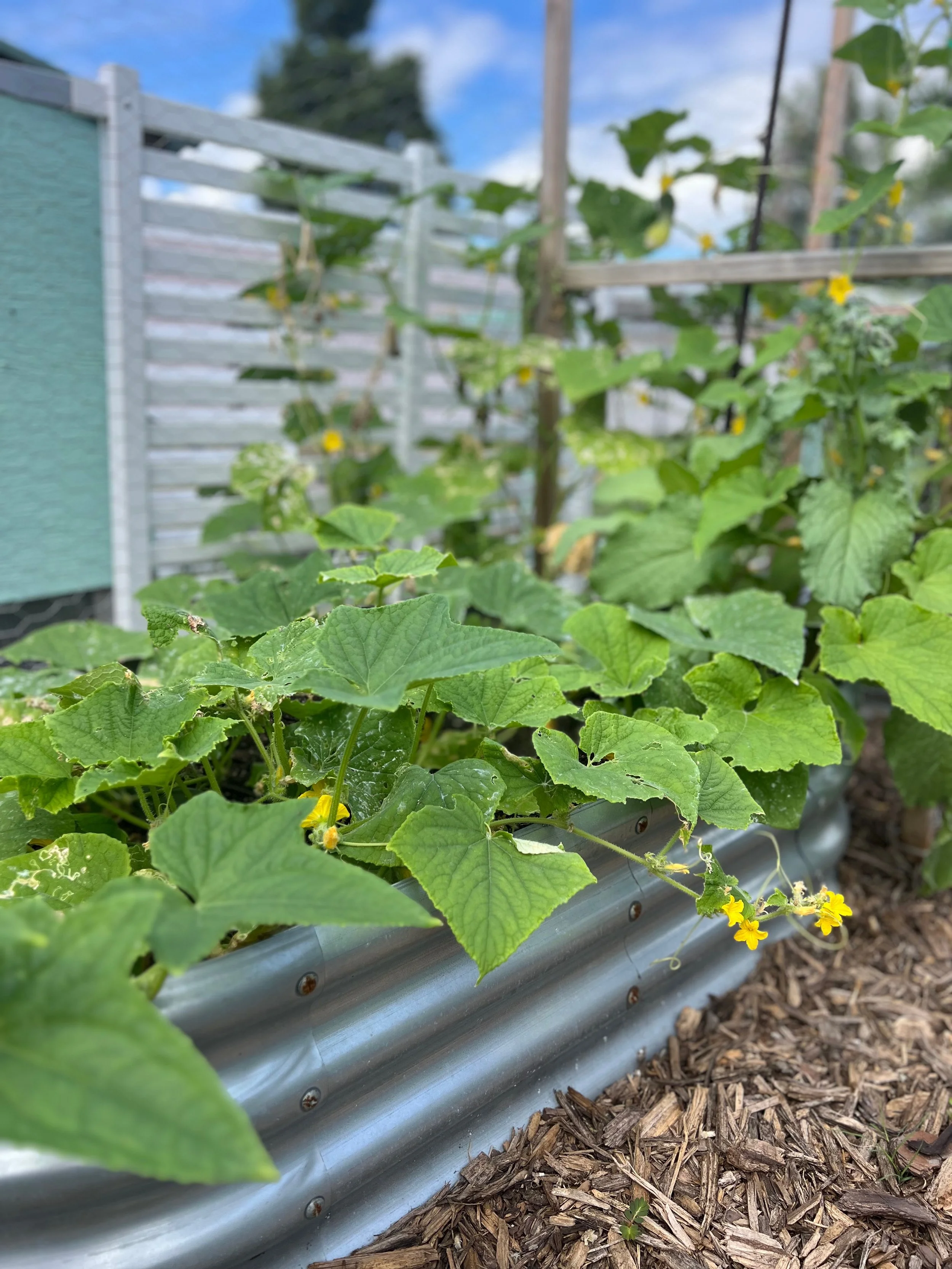
If there’s one thing I’ve learned over the past few years, it’s that self-reliance isn’t built overnight — it’s cultivated. Just like a garden.
If there’s one thing I’ve learned through this journey of preparedness and self-reliance, it’s that you don’t have to be an expert to start. Self-reliance isn’t built overnight — it’s cultivated. Just like a garden.
Starting a garden — even a small one — is one of the most practical and empowering steps you can take toward self-reliance. It doesn’t matter if you’ve never grown a thing in your life. You can start right where you are, with what you have.
I’ll be honest — I’m no master gardener. I’ve had plants thrive and others that never stood a chance. I’ve learned (sometimes the hard way) that gardening takes patience, consistency, and a little bit of faith. But through it all, I’ve realized something beautiful: the process is just as important as the harvest.
Each season teaches something new. You’ll notice which plants love your soil, when to water more or less, and what pests to look out for. And somewhere in between the planting, watering, and waiting — you’ll start to feel more connected to your food, your land, and your purpose.
In a world where so much feels uncertain, gardening reminds us that we can take simple steps to care for ourselves and our families. Growing even a little of your own food builds confidence, peace of mind, and a deep sense of gratitude for the earth’s abundance.
So, if you’ve been thinking about starting a garden, don’t wait for spring or the “perfect time.” The best time to start is NOW. Pick up a few seed packets, plant some herbs, or start composting. Learn as you go. Stick with it. It will be worth it — I promise.
Because self-reliance isn’t about perfection. It’s about being willing to begin.
Emergency Water Preparation: How Much, How to Store, and Why It Matters

When we think about preparedness, water is the very first thing that should come to mind. We can survive weeks without food — but only a few days without water. In every disaster, from hurricanes to power outages, clean water quickly becomes one of the most valuable resources.
Preparing now means peace later — knowing your family will have what they need when the unexpected happens.
How Much Water to Store
The general rule from FEMA and preparedness experts is:
One gallon of water per person per day.
½ gallon for drinking
½ gallon for cooking, cleaning, and hygiene
For a 3-day (72-hour) emergency kit, that’s 3 gallons per person.
But ideally, aim for a two-week supply, which is 14 gallons per person.
If you have pets, add:
1 gallon per day for large pets (dogs, goats, etc.)
½ gallon per day for small pets (cats, chickens, etc.)
TIP: Once you’ve built your 3-day supply, slowly work toward a 2-week reserve. Small, steady steps add up fast!
The Best Ways to Store Water
Here are a few safe and simple options for different spaces and budgets:
1. Commercial Bottled Water
Easiest and most accessible option.
Store unopened bottles in a cool, dark place.
Replace every 1–2 years (check expiration dates).
2. Food-Grade Water Containers
Use BPA-free, food-safe plastic or stainless steel containers.
Common sizes: 5–7 gallon jugs or stackable cubes.
Rinse thoroughly, sanitize with a teaspoon of bleach per quart of water, then fill with clean tap water.
Label with the date and rotate every 6–12 months.
3. Water Barrels or Large Drums (for long-term storage)
15–55 gallon barrels are perfect for families or homesteads.
Store on a wooden platform (not directly on concrete).
Use water preserver drops to keep it fresh for up to 5 years.
4. Portable Water Options
Collapsible water containers or pouches for evacuation kits.
Water filter straws (like LifeStraw or Sawyer Mini) for purification on the go.
Where to Store Your Water
Cool, dark location (ideally 50–70°F).
Avoid direct sunlight and garages that get hot.
Keep containers sealed and off the floor to prevent chemical leaching or damage.
Get Started TODAY
If you haven’t started your water prep yet, begin today!
Grab a few gallon jugs at the grocery store or fill some clean containers at home. Each one brings you one step closer to self-reliance and peace of mind.
Final Thoughts
Preparedness isn’t about fear — it’s about love in action.
Every jug you fill is an act of care for your family, your neighbors, and your peace of mind.
When the storm comes — whether literal or figurative — you’ll know you’ve already done your part to keep your loved ones safe and cared for.
Why Hurricane Melissa’s Impact on Jamaica Reminds Us: Be Prepared, Be Self-Reliant, Be for Each Other
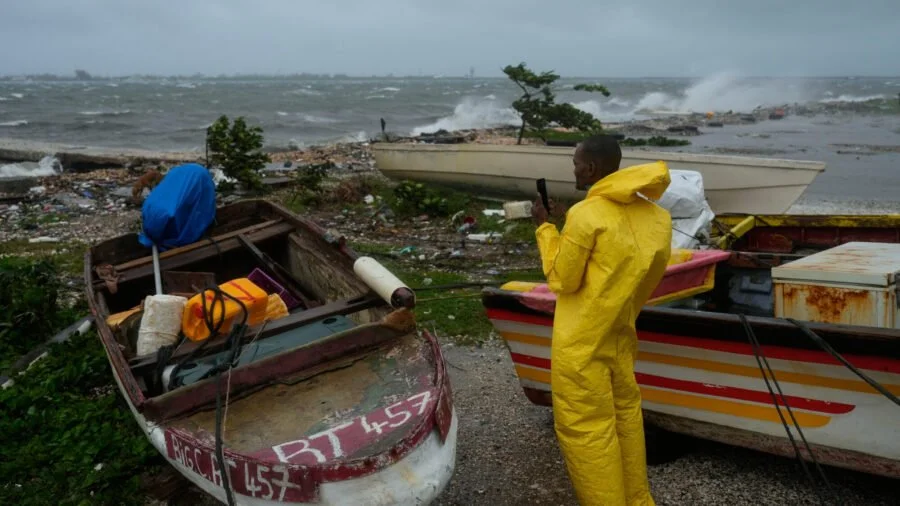
A man watches the coastline in Kingston, Jamaica, as Hurricane Melissa closes in, Tuesday, Oct. 28, 2025. (Matias Delacroix/Associated Press)
When disasters strike, they don’t just destroy buildings — they shake our sense of security and remind us how fragile life can be. Hurricane Melissa has done just that for Jamaica. The island nation is facing unimaginable devastation right now after this historic Category 5 storm tore across its shores with sustained winds near 185 mph, torrential rain, and flooding that swallowed communities whole.
This is being called Jamaica’s strongest hurricane on record, with rainfall reaching up to 40 inches and storm surges up to 13 feet in some areas. Homes have been flattened, roads washed out, and power and communication lines snapped. Officials have said bluntly that many communities will not survive this flooding.
And yet, amid the heartbreak and chaos, this tragedy carries a lesson we cannot ignore: the time to prepare is before the storm comes.
A Wake-Up Call for All of Us
It’s easy to think, “That won’t happen here.” But the truth is, disasters don’t care about borders, wealth, or routine. Whether it’s hurricanes, wildfires, power outages, or floods — preparedness is no longer optional.
Hurricane Melissa shows how quickly life can change. In just days, what was a “watch the forecast” kind of storm turned into a catastrophic event that left families stranded and supplies scarce.
When we prepare before disaster hits, we replace panic with peace of mind. We give our families the best chance at safety, comfort, and stability — no matter what’s happening outside our doors.
What Being Prepared Really Means
Preparedness is more than stockpiling food or batteries — it’s about building resilience and self-reliance. Here’s how we can learn from what Jamaica is facing right now:
1.) Stay Informed & Aware
Knowledge is power.
Learn about the risks where you live — hurricanes, tornadoes, wildfires, floods, etc.
Sign up for local alerts and know how to track weather updates from reliable sources.
Don’t wait for others to tell you when to act; trust your instincts and start early.
When Jamaican authorities urged evacuations, those who moved quickly were safer. Time truly matters when disaster is approaching.
2.) Make a Family Plan
Every family should know exactly what to do if communication is cut off or you’re separated.
Pick a meeting place.
Write down emergency contacts (don’t just store them in your phone).
Have a plan for pets, medications, and elderly family members.
Talk about how you’ll get in touch if cell service goes down.
Preparedness is love in action — it’s protecting the people who matter most.
3.) Secure Your Essentials
Think of it as your “peace of mind kit.”
Water: 1 gallon per person per day for at least 3 days (more if possible).
Food: Choose non-perishables your family will actually eat. (For my plant-based friends — think lentils, oats, quinoa, nuts, seeds, dried fruits, and protein powders.)
First aid, batteries, flashlights, hygiene, medications — and don’t forget comfort items for children.
Many Jamaicans are now going days without electricity or access to clean water. Having these essentials already prepared makes all the difference when stores are empty or roads are blocked.
4.) Build Community Connections
No one gets through a crisis alone.
When roads wash out and cell towers go down, your neighbors become your lifeline.
Check in on the elderly, share resources, and look out for one another.
Preparedness isn’t about fear — it’s about fellowship. It’s about ensuring that no one in your circle faces disaster unprepared or unsupported.
5.) Cultivate a Resilient Mindset
Storms will come — physically, emotionally, and spiritually. But resilience is what turns fear into faith and hardship into growth.
Hurricane Melissa is part of a pattern of stronger, faster-forming storms. Scientists say extreme weather is intensifying. That means it’s time to adapt — not with anxiety, but with action and awareness.
When we choose self-reliance and preparation, we’re not just protecting ourselves — we’re creating peace in uncertainty.
How You Can Start Today
Here are a few small but powerful steps you can take right now:
Create a 72-hour emergency kit. (You can build this on any budget using what you already have.)
Store 2 weeks of food and water. Rotate it into your regular meals so nothing goes to waste.
Write down your emergency plan and review it with your family.
Print copies of important documents — ID, insurance, medical info — and keep them in a waterproof binder.
Pray, prepare, and stay connected. Spiritual readiness brings peace of mind that no supply can replace.
A Heart-Centered Perspective
Preparedness isn’t about panic or doomsday thinking. It’s about love, stewardship, and responsibility.
It’s a way of saying: “I love my family enough to plan ahead. I love my neighbors enough to share knowledge. I love my Creator enough to care for what He’s entrusted me with.”
When we prepare, we’re not living in fear — we’re living in faith.
We’re choosing to be the calm in the storm, the light in the dark, and the helping hand when others feel lost.
Final Thoughts: Be Ready, Be Hopeful
Hurricane Melissa has shown us the power of nature and the fragility of modern life. But it’s also revealed something beautiful: humanity’s resilience. People in Jamaica are already banding together, helping one another, rebuilding piece by piece.
Let their courage move us to action — not just sympathy.
Because preparedness isn’t just about survival…
It’s about serving, sustaining, and shining — even when the winds howl and the world feels uncertain.
So let’s begin today.
Gather your family. Start your kit. Write your plan.
Be the one who’s ready — and help others be ready, too.
When we prepare, we create peace.
When we care for others, we create hope.
And together, we can weather any storm.
Want to Help Jamaica?
If you feel led, consider supporting verified relief efforts such as: